La vocació (i els títols de crèdit)
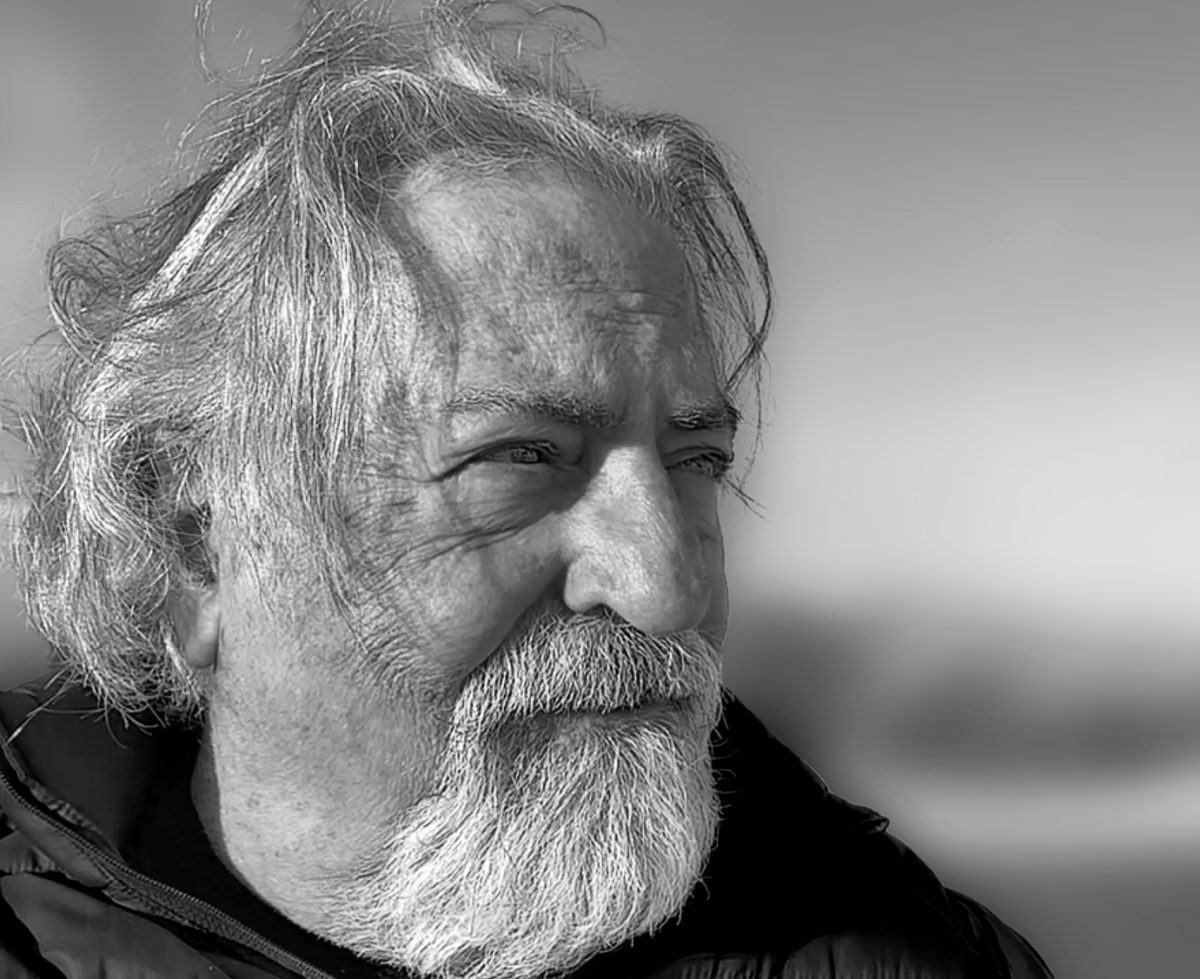
Jo anava per ser pintor. De ben petit ja ho dibuixava tot, i ben fet. Per aprendre l’ofici vaig passar per les escoles d’art Massana, Sant Jordi i Sant Lluc. Volia les eines, volia els pinzells. Però llavors van arribar els anys 60.
Jo anava per ser pintor. De ben petit ja ho dibuixava tot, i ben fet. Per aprendre l’ofici vaig passar per les escoles d’art Massana, Sant Jordi i Sant Lluc. Volia les eines, volia els pinzells. Però llavors van arribar els anys 60.
El segrest de la publicitat (o la primera classe)
Vaig descobrir el disseny gràfic i vaig acabar fent de professor a l’escola Elisava. Però el grafisme em va portar a la publicitat, i el que havia de ser un peu als anuncis es va convertir en una marató internacional: de director d’art vaig passar a director creatiu de súper agències a Barcelona, Madrid, São Paulo i Milà. Era l’època daurada. Si ets el director creatiu no pintes gaire, és cert, però viatges una barbaritat i en primera classe. Em deia a mi mateix que la pintura estava en crisi i que jo tenia sort. Però em vaig atipar dels publicitaris que es creien artistes: fer un bon anunci et fa un publicitari amb èxit, no un artista.
Vaig descobrir el disseny gràfic i vaig acabar fent de professor a l’escola Elisava. Però el grafisme em va portar a la publicitat, i el que havia de ser un peu als anuncis es va convertir en una marató internacional: de director d’art vaig passar a director creatiu de súper agències a Barcelona, Madrid, São Paulo i Milà. Era l’època daurada. Si ets el director creatiu no pintes gaire, és cert, però viatges una barbaritat i en primera classe. Em deia a mi mateix que la pintura estava en crisi i que jo tenia sort. Però em vaig atipar dels publicitaris que es creien artistes: fer un bon anunci et fa un publicitari amb èxit, no un artista.
El refugi i la cicatriu del target
Mai vaig deixar de pintar; era on em trobava a mi mateix. Ho feia des de l’abstracció, perquè pensava que la figuració copia la realitat, mentre que l’art abstracte és una realitat en si mateix. Però la publicitat deixa cicatrius, i la meva era la dèria del target: per a qui pinto? Per a mi? Per a altres pintors?
Mai vaig deixar de pintar; era on em trobava a mi mateix. Ho feia des de l’abstracció, perquè pensava que la figuració copia la realitat, mentre que l’art abstracte és una realitat en si mateix. Però la publicitat deixa cicatrius, i la meva era la dèria del target: per a qui pinto? Per a mi? Per a altres pintors?
L’evolució al revés
Estava cansat de la típica pregunta: «I això què significa?». Em vaig adonar que la pintura abstracta sovint és un club tancat i que la figurativa necessita un argument. Pintar bé ja no era suficient; els quadres havien de tenir una història que tothom pogués entendre. Així que, en comptes d’evolucionar cap a l’abstracció com fa tothom, jo he fet exactament el camí invers. Benvinguts a les meves històries.
Estava cansat de la típica pregunta: «I això què significa?». Em vaig adonar que la pintura abstracta sovint és un club tancat i que la figurativa necessita un argument. Pintar bé ja no era suficient; els quadres havien de tenir una història que tothom pogués entendre. Així que, en comptes d’evolucionar cap a l’abstracció com fa tothom, jo he fet exactament el camí invers. Benvinguts a les meves històries.